
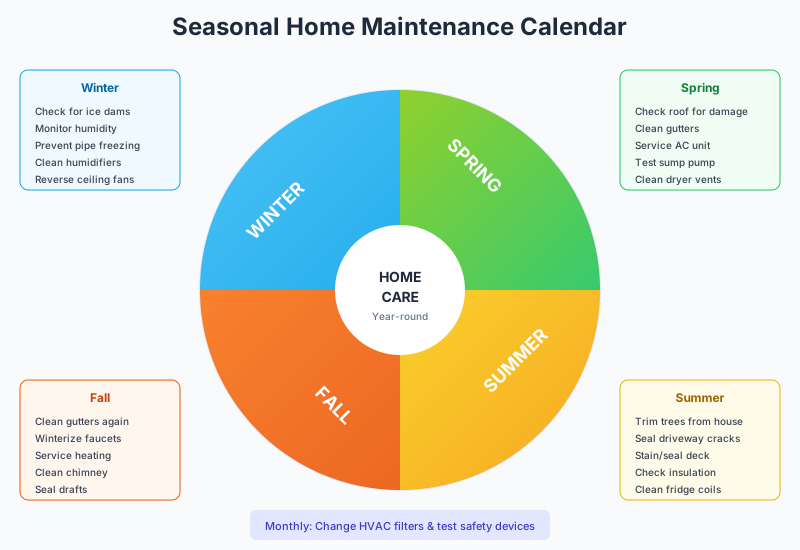
Winter is hard on houses. Freezing temperatures, ice, and moisture work their way into every crack and joint for months. Spring is your chance to find the damage before it gets expensive.
This checklist covers 25 tasks organized by area so you can work through them in a weekend or spread them across a few weeks. Each task includes what to look for and what it costs if you skip it.
Exterior Inspection
1. Walk the Roof (or Use Binoculars)
Look for:
- Missing, cracked, or curled shingles
- Damaged flashing around chimneys and vents
- Sagging or soft spots
- Dark stains indicating moisture
Cost of skipping: A small roof leak left through spring rains can soak decking and insulation and stain ceilings, turning a cheap shingle repair into a much larger water damage job.
2. Clean and Inspect Gutters
Winter leaves and debris block water flow:
- Remove all debris by hand or with a gutter scoop
- Flush with a hose to check for flow
- Look for sagging sections or loose brackets
- Verify downspouts drain 4-6 feet from foundation
3. Check the Foundation
Walk the perimeter and look for:
- New cracks (mark them and monitor)
- Gaps where soil has settled away from the foundation
- Signs of water pooling near the base
- Crumbling mortar on brick or block
Tip: Fill soil gaps now. Water pooling near your foundation is the #1 cause of basement leaks.
4. Inspect Siding and Trim
Winter freezing can crack or loosen siding:
- Check for gaps, warping, or loose panels
- Look for peeling paint or bare wood
- Re-caulk gaps around windows, doors, and trim
- Look for signs of pest entry (small holes, sawdust)
5. Test Outdoor Faucets
Turn on each hose bib and check for:
- Steady flow (no flow may mean frozen/burst pipe inside the wall)
- Leaks at the handle or spout
- Drips when turned off
Cost of skipping: A burst pipe behind a wall costs $1,000-$4,000 to repair.
Yard and Landscaping
6. Clean Up Winter Debris
- Rake dead leaves and matted grass
- Remove fallen branches
- Clear flower beds of dead plant material
- Check for winter storm damage to fences and structures
7. Inspect Trees and Shrubs
- Look for dead or hanging branches (hazard in spring storms)
- Prune damaged limbs back to healthy wood
- Trim branches within 10 feet of your roof
- Check for signs of disease or pest damage
8. Prep the Lawn
Spring lawn care sets the tone for the year:
- Dethatch if thatch layer exceeds 1/2 inch
- Aerate compacted areas (especially high-traffic zones)
- Overseed bare spots
- Apply pre-emergent weed control before soil hits 55°F
- Hold off on fertilizer until grass is actively growing
9. Check Irrigation System
If you have an in-ground system:
- Turn on water slowly to avoid pressure spikes
- Run each zone and check for broken heads
- Adjust spray patterns (away from house, even coverage)
- Fix leaks before they waste water all summer
HVAC and Mechanical Systems
10. Service Your AC Before You Need It
Schedule a professional tune-up ($75-$200) that covers:
- Refrigerant level check
- Coil cleaning
- Electrical connection inspection
- Thermostat calibration
- Drain line clearing
Why now: HVAC companies book up fast in May and June. Schedule in March or April for the best availability and pricing.
11. Replace HVAC Filters
Swap in a fresh filter and set a reminder to change it monthly through summer. A dirty filter:
- Makes your system work harder and less efficiently
- Shortens system lifespan
- Worsens indoor air quality
12. Test Your Thermostat
- Switch from heat to cool mode
- Verify it triggers the AC
- Check programming schedule for summer hours
- Consider upgrading to a smart thermostat ($100-$250) if yours is outdated
13. Inspect the Water Heater
- Check for rust or corrosion on the tank
- Test the pressure relief valve (lift lever, water should flow, then stop)
- Drain 1-2 gallons to flush sediment
- Check the anode rod if the heater is 3+ years old
Interior Tasks
14. Test Smoke and CO Detectors
- Press the test button on every detector
- Replace batteries (or the entire unit if it's 10+ years old)
- Verify you have detectors on every level and near sleeping areas
- Test interconnection: when one alarms, all should alarm
15. Check for Water Damage
Inspect these common trouble spots:
- Under sinks in kitchen and bathrooms
- Around toilets (base and supply line)
- Ceiling below bathrooms
- Basement walls and floor
- Around windows (condensation stains)
16. Deep Clean Dryer Vent
Lint buildup is a fire hazard:
- Disconnect the vent hose and clean it out
- Clean the vent duct all the way to the exterior
- Verify the exterior flap opens freely
- Check that the hose isn't kinked or crushed
Cost of skipping: U.S. fire departments responded to an estimated average of 13,820 home fires a year involving dryers in 2014-2018, causing about $233 million in direct property damage annually. Failure to clean was the leading factor, behind 32% of those fires (NFPA, Home Dryer Fires, 2020).
17. Inspect Windows and Doors
- Check weatherstripping for gaps or deterioration
- Test locks and latches
- Look for condensation between panes (seal failure)
- Re-caulk exterior gaps
- Clean window tracks and weep holes
18. Run Every Faucet and Flush Every Toilet
This catches slow leaks and ensures:
- All supply valves work
- Drains flow freely
- No musty smells indicating hidden leaks
- Toilet flappers seal properly (running toilets waste 200+ gallons/day)
Safety and Emergency Prep
19. Check Fire Extinguishers
- Verify they're in accessible locations (kitchen, garage, each floor)
- Check the pressure gauge (should be in the green zone)
- Look for damage or corrosion
- Note the expiration date
20. Review Your Emergency Kit
Restock supplies that may have expired over winter:
- Water (1 gallon per person per day, 3-day supply)
- Non-perishable food
- Flashlights and fresh batteries
- First aid supplies
- Copies of important documents
21. Test Your Sump Pump
If you have one, test it before spring rains:
- Pour a bucket of water into the pit
- The pump should activate automatically
- Water should discharge away from the foundation
- Check the backup battery if equipped
Garage and Storage
22. Organize and Inspect the Garage
- Check for rodent activity (droppings, chewed items)
- Inspect the garage door: test auto-reverse safety feature, lubricate tracks
- Look for cracks in the garage floor
- Properly store winter supplies (salt, shovels, snow blower)
23. Check Outdoor Equipment
Before you need them:
- Start the lawn mower — change oil and sharpen blades
- Test the string trimmer
- Check garden hoses for cracks
- Inspect power tools stored in cold conditions
Documentation
24. Update Your Home Inventory
Spring cleaning is the perfect time to update your records:
- Photograph new purchases and improvements
- Remove items you've sold or discarded
- Update estimated values
- Back up your inventory to the cloud
A current home inventory speeds up insurance claims by weeks and ensures you get full replacement value.
25. Log What You Find
Document every issue you discover during this inspection:
- Take photos of damage before and after repairs
- Note the date and cost of each repair
- Save receipts and contractor contact info
- Track recurring issues to spot patterns
This documentation builds your home's maintenance history — valuable for insurance claims, resale, and your own reference.
Spring Maintenance Budget Guide
Most spring maintenance costs little or nothing:
| Task | DIY Cost | Professional Cost | |---|---|---| | Gutter cleaning | Free | $100-$250 | | AC tune-up | N/A | $75-$200 | | Caulking | $10-$30 | $100-$300 | | Lawn aeration | $50-$100 (rental) | $75-$200 | | Dryer vent cleaning | Free | $100-$170 | | Smoke detector batteries | $10-$20 | N/A |
Total DIY budget: Under $200 for materials. Most tasks require no special tools.
Printable Checklist
Here's the full list to print or save:
- [ ] Walk the roof
- [ ] Clean and inspect gutters
- [ ] Check foundation
- [ ] Inspect siding and trim
- [ ] Test outdoor faucets
- [ ] Clean up winter debris
- [ ] Inspect trees and shrubs
- [ ] Prep the lawn
- [ ] Check irrigation system
- [ ] Service AC
- [ ] Replace HVAC filters
- [ ] Test thermostat
- [ ] Inspect water heater
- [ ] Test smoke and CO detectors
- [ ] Check for water damage
- [ ] Deep clean dryer vent
- [ ] Inspect windows and doors
- [ ] Run faucets and flush toilets
- [ ] Check fire extinguishers
- [ ] Review emergency kit
- [ ] Test sump pump
- [ ] Organize garage
- [ ] Check outdoor equipment
- [ ] Update home inventory
- [ ] Log what you find
Conclusion
Spring maintenance isn't glamorous, but it's the single best thing you can do for your home each year. Winter hides problems. Spring reveals them. The homeowners who catch issues now spend hundreds on prevention instead of thousands on emergency repairs in July.
Start with the exterior — roof, gutters, foundation — then work your way inside. You can knock out this entire checklist in a weekend, and your home will be ready for whatever summer throws at it.