
The water heater that failed at the worst possible time. The HVAC system that died mid-summer. The roof leak that became a $15,000 nightmare.
What do they all have in common? They were preventable.
Many emergency repairs could have been avoided with routine maintenance. And it's not just money—it's the stress of scrambling to find a contractor, the disruption to your life, and the panic of an unexpected major expense.
But here's the good news: a structured maintenance schedule helps you catch small problems before they turn into emergencies. A documented maintenance history also gives buyers confidence when it's time to sell. Most importantly, you'll sleep better knowing your home's major systems are functioning properly.
This comprehensive guide provides exactly what you need: a room-by-room, season-by-season maintenance schedule that tells you what to do, when to do it, how much it costs, and whether you need a professional or can DIY it.
Why a Maintenance Schedule Actually Matters
The Financial Impact Is Staggering
Consider these cost comparisons:
- A $150 HVAC tune-up can catch problems before they lead to a $4,000 compressor replacement
- A $50 gutter cleaning helps prevent $3,000 in foundation water damage
- A $200 roof inspection can catch problems before they become $15,000 replacements
Routine maintenance costs are small and predictable; the failures they help prevent are large and arrive without warning.
Time and Stress Reduction
Emergency repairs happen on THEIR timeline, not yours:
- Finding a contractor at midnight when your furnace fails
- Missing work because a pipe burst
- Scrambling to move furniture before a roofing crew arrives tomorrow
Scheduled maintenance happens on YOUR timeline. You choose the contractor, compare prices, and plan around your schedule.
Home Value Protection
Well-maintained homes command premium prices. When you're ready to sell:
- Well-documented maintenance: Answers buyer questions before they're asked
- Service records: Justify asking price and reduce inspection negotiations
- Proactive care: Signals to buyers this home was loved, not just lived in
Home inspectors notice maintenance—or the lack of it. A clean HVAC filter and recent service sticker tells a story. So does a neglected system with years of built-up dust.
Safety Is Non-Negotiable
Some maintenance isn't about money—it's about keeping your family safe:
- More than 400 Americans die each year from unintentional carbon monoxide poisoning not linked to fires (CDC, 2026); working CO alarms are your only warning
- Clothes dryer fires in homes cause an estimated $35 million in property loss a year, and failure to clean is the leading contributing factor (U.S. Fire Administration, 2012)
- Burst or worn washing machine hoses can flood a laundry room quickly, so inspect them regularly
A maintenance schedule catches these dangers before they become tragedies.
How to Use This Schedule
Personalize for Your Home
Not every home is identical. Adjust this schedule based on:
Your Climate Zone:
- Hot climates: More AC maintenance, less heating system focus
- Cold climates: Extensive winterization, heating system priority
- Humid climates: Mold prevention, dehumidification, increased pest control
- Coastal areas: Salt air corrosion, hurricane prep, moisture management
Your Home's Age:
- 0-5 years: Lighter maintenance, establish baselines, maximize warranty coverage
- 5-20 years: Peak maintenance needs, monitor major system health
- 20+ years: Higher frequency tasks, plan for system replacements
Your Special Systems:
- Pool or spa: Weekly water testing, seasonal opening/closing
- Septic system: 3-5 year pumping schedule, annual inspection
- Well water: Quarterly testing, annual professional check
- Irrigation: Seasonal startup/shutdown, monthly leak checks
Documentation Is Your Secret Weapon
As you complete each task, document it. Here's what to track:
- Date completed
- What was done (specifics matter: "Changed HVAC filter - MERV 13, 20x25x1")
- Cost (helps budget for next time)
- Professional vs. DIY
- Notes (anything unusual discovered, parts replaced, issues found)
- Photos (before/after, serial numbers, condition)
- Next service due date
This documentation transforms your maintenance from a chore into a valuable asset. When you sell, these records help support your asking price.
Pro Tip: Use a digital platform like MyHomePlatform to automatically track maintenance, set reminders, and build your Digital Home Record. You'll never lose a receipt or forget a service date again.
Seasonal Overview
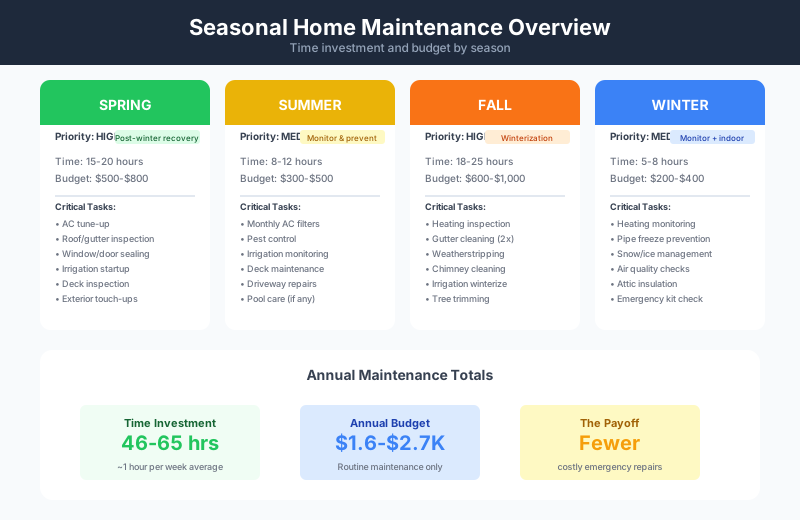
Before diving into room-by-room details, here's what each season demands:
Spring Maintenance (March-May)
Priority Level: High (post-winter recovery is critical)
Time Investment: 15-20 hours
Budget: $500-$800
Why Spring Matters: Winter is hard on homes. Spring is your chance to repair damage, prepare cooling systems, and tackle outdoor projects before summer heat.
Critical Spring Tasks:
- Professional AC tune-up before first heat wave
- Roof and gutter inspection and cleaning
- Window and door sealing checks
- Exterior paint touch-ups
- Irrigation system startup
- Deck and patio inspection
Summer Maintenance (June-August)
Priority Level: Medium (monitoring and prevention)
Time Investment: 8-12 hours
Budget: $300-$500
Why Summer Matters: Your cooling system works overtime. Outdoor structures face harsh sun. Pests are most active. Stay ahead of problems.
Critical Summer Tasks:
- Monthly AC filter changes
- Pest control treatments
- Irrigation system monitoring
- Deck and fence maintenance
- Driveway and walkway repairs
- Pool maintenance (if applicable)
Fall Maintenance (September-November)
Priority Level: High (winterization is essential)
Time Investment: 18-25 hours
Budget: $600-$1,000
Why Fall Matters: Preparing for winter prevents freeze damage, heating failures, and expensive emergency repairs when contractors charge premium rates.
Critical Fall Tasks:
- Professional heating system inspection
- Gutter cleaning (twice if you have trees)
- Window and door weatherstripping
- Chimney inspection and cleaning
- Irrigation system winterization
- Tree trimming away from house
Winter Maintenance (December-February)
Priority Level: Medium (monitoring plus indoor projects)
Time Investment: 5-8 hours
Budget: $200-$400
Why Winter Matters: Heating system reliability, pipe freeze prevention, and tackling indoor projects while outdoor work is limited.
Critical Winter Tasks:
- Monthly heating system monitoring
- Pipe insulation and freeze prevention
- Snow and ice management
- Indoor air quality checks
- Attic insulation inspection
- Emergency kit maintenance
The Complete Room-by-Room Maintenance Guide
Now let's dive deep into exactly what needs attention in each part of your home.
Exterior & Roof
Your home's exterior is its first line of defense against the elements. Neglect here cascades into expensive interior damage.
Monthly Tasks (15 minutes)
Walk the Perimeter
- Look for: New cracks, settling, pest activity, vegetation touching house
- Check: Outdoor lighting works, faucets don't drip, drainage is clear
- Why it matters: Early detection saves thousands. A small crack becomes foundation failure; a slow drip causes rot.
- Cost: $0 (DIY)
Set Reminder: Track monthly walk-arounds in your Maintenance Calendar to never skip a month →
Quarterly Tasks (1-2 hours)
Clean Gutters and Downspouts
- When: March, June, September, December (or after heavy storms)
- Tools needed: Stable ladder, gloves, garden hose, gutter scoop
- What to look for: Clogs, sagging sections, rust, loose fasteners
- Cost: $150-$300 (professional) or $0 (DIY with safety precautions)
SAFETY WARNING: Ladder falls are a common cause of serious home injuries. Use a ladder stabilizer, have someone nearby, and never work alone. If your home is over two stories, hire a professional.
Why this matters: Clogged gutters cause:
- Foundation damage ($3,000-$10,000 repairs)
- Basement flooding ($5,000-$20,000 damage)
- Roof rot ($500-$3,000 per section)
- Fascia and soffit damage ($1,500-$5,000)
Inspect Roof from Ground
- Use binoculars from ground level (safer than climbing up)
- Look for: Missing shingles, damage, moss growth, debris accumulation
- Red flags: Granules in gutters (shingle deterioration), sagging areas, cracked flashing
- When to call pro: Any visible damage, age over 15 years, after major storms
Check Foundation
- Look for: New cracks wider than 1/4", settling, water stains
- Monitor: Take photos of existing cracks and measure them—growth indicates problems
- Professional needed if: Cracks grow, water seeps in, doors start sticking
Test Outdoor Electrical Outlets (GFCI)
- Press "test" button—outlet should shut off
- Press "reset" button—outlet should work again
- Replace if: Test button doesn't trip, outlet is damaged, over 15 years old
- Cost: $15 per outlet (DIY) or $75-$150 (electrician)
Annual Tasks (3-4 hours or professional)
Professional Roof Inspection
- Best timing: Spring or early fall
- Cost: $200-$400
- What's included: Complete inspection report, photo documentation, repair estimates
- Frequency: Every 1-2 years minimum, annually if roof is 15+ years old
A professional sees what you can't: subtle signs of deterioration, proper flashing seal, early leak indicators, remaining lifespan.
Power Wash Siding and Walkways
- Cost: $200-$500 (professional) or $50-$100 (rent machine)
- Caution: Wrong pressure damages siding, forces water behind walls, strips paint
- DIY tip: Use wide spray pattern, keep nozzle moving, test inconspicuous area first
Seal Driveway Cracks and Reseal Asphalt
- Cost: $100-$300 (DIY) or $300-$800 (professional)
- Frequency: Every 2-3 years for sealcoat, fill cracks annually
- Why: Regular sealing and crack filling help asphalt last longer
Inspect and Repair Exterior Caulking
- Where: Windows, doors, pipes, vents, between materials
- Cost: $10-$30 in materials (DIY)
- Time: 2-4 hours depending on home size
- Prevents: Water intrusion ($3,000+ in damage) and drafts. Sealing air leaks can save 10% to 20% on heating and cooling bills, per the U.S. Department of Energy's Energy Saver Guide (2022)
Tree and Shrub Trimming
- Rule: Maintain 6-foot clearance from house
- Why: Prevents roof damage, reduces pest highways, minimizes moisture on siding
- Cost: $200-$800 depending on size and quantity
- DIY caution: Hire professional for anything requiring ladder work near power lines
Every 3-5 Years
Exterior Paint or Stain Refresh
- Cost: $3,000-$8,000 (professional) depending on size
- Lifespan: Paint 5-10 years, stain 3-5 years
- Protects: Siding from water damage, rot, UV degradation
Roof Replacement Evaluation
- Typical lifespan:
- Asphalt shingles: 20-25 years
- Metal: 40-70 years
- Tile: 50+ years
- Plan ahead: Major expense ($8,000-$25,000), needs budgeting
Driveway Resurfacing Consideration
- Signs needed: Extensive cracking, crumbling, drainage issues
- Cost: $3-$7 per square foot
Kitchen
Your kitchen contains some of your home's most expensive appliances and greatest water damage risks.
Monthly Tasks (30 minutes)
Deep Clean Refrigerator Coils
- Impact: Clean coils help the refrigerator run more efficiently
- How-to: Unplug fridge, vacuum coils (usually on back or bottom), wipe with damp cloth
- Frequency: Monthly if you have pets, every 2-3 months otherwise
- Why: Dirty coils make the compressor work harder, which can shorten its life
Test GFCI Outlets
- All kitchen outlets should be GFCI protected
- Test monthly—kitchen is highest electrical risk room
Run Garbage Disposal with Ice and Citrus
- Cleans and sharpens blades naturally
- Prevents odor buildup
Check Under Sink for Leaks
- Look for: Water stains, musty smell, soft cabinet bottom, drips
- Catch early: Small leak costs $100 to fix; water damage costs $3,000+
Inspect Cabinet Doors and Hinges
- Tighten loose screws before they strip
- Address sticky or misaligned doors
- Catches problems before hinges break
Quarterly Tasks (1 hour)
Replace Water Filters
- Refrigerator: Every 6 months ($40-$60)
- Under-sink: Every 3-6 months ($20-$50)
- Why: Dirty filters reduce water flow, can harbor bacteria
- Mark replacement dates: Write on filter or set digital reminder
Deep Clean Oven and Range
- Self-cleaning cycle quarterly (follow manufacturer instructions)
- Clean burner drip pans, check gas ignition
- Check oven door seal
Inspect and Clean Dishwasher Filter
- Most homeowners never do this—yet it's critical
- How: Remove bottom rack, twist and lift filter assembly, rinse thoroughly
- Impact: Better cleaning, prevents motor damage, eliminates odors
Check Grout and Caulking Around Sink
- Problem signs: Cracking, gaps, discoloration, mold
- Fix: Remove old caulk completely, let dry 24 hours, apply new bead
- Cost: $5 in materials, 30 minutes
- Prevents: Water damage to cabinets ($500-$2,000 repairs)
Organize and Document Appliance Warranties
- Check expiration dates
- Have you registered products?
- Store digitally where you won't lose them
Annual Tasks (2-3 hours)
Professional Appliance Maintenance Check
- For: High-end appliances, commercial-grade equipment
- Cost: $100-$200
- Worth it if: Appliances total value exceeds $5,000
Deep Clean Behind and Under Appliances
- Pull out refrigerator, stove, dishwasher (carefully!)
- Clean floors, check for water damage, inspect connections
- Find: Leaks you didn't know existed, lost items, pest entry points
Inspect Electrical Cords for Damage
- Damaged cords are a fire and shock hazard
- Replace any with exposed wire, heat damage, or pinched sections
Test Smoke Detector and Replace Battery
- Location: Kitchen detector should be 10+ feet from cooking surface
- Test monthly: Press test button, should be loud and clear
- Replace battery: Annually whether "needed" or not
- Replace unit: Every 10 years regardless of condition
Check for Cabinet and Drawer Issues
- Adjust drawer glides before they fail
- Tighten hardware before it falls off
- Fix soft-close mechanisms
Document Appliance Serial Numbers and Ages
- You'll need this for insurance, warranty claims, and resale
- Take photos of rating plates
- Record in your Digital Home Record
Every 5-10 Years
Appliance Replacement Planning
- Refrigerator: 10-15 years
- Dishwasher: 8-12 years
- Range/Oven: 13-15 years
- Microwave: 7-10 years
Budget ahead: replacing all kitchen appliances can cost $3,000-$10,000.
Cabinet Hardware Updates
- Handles wear out, styles change
- Minor refresh for $100-$300 updates entire kitchen look
Countertop Resealing (if applicable)
- Granite: Reseal every 1-2 years
- Marble: Reseal every 6-12 months
- Test: Water should bead up; if it soaks in, time to reseal
- Cost: $50-$100 DIY, $200-$400 professional
HVAC & Air Quality
Your heating and cooling system is your home's most expensive mechanical system—and the one most likely to fail at the worst possible time.
Monthly Tasks (10 minutes)
Change HVAC Filters
This single task is the most important thing you can do for your home.
Filter Types and Schedule:
- 1-inch filters: Monthly replacement
- 4-inch filters: Every 3 months
- HEPA filters: Check monthly, replace per manufacturer
What happens if you don't:
- Higher energy costs: ENERGY STAR says airflow problems can reduce your system's efficiency by up to 15% (ENERGY STAR maintenance checklist)
- Reduced airflow strains the system
- Shortened equipment life (ENERGY STAR notes a dirty filter can damage equipment, leading to early failure)
- Poor indoor air quality (allergies, illness)
Filter Ratings Guide (MERV):
- MERV 8: Basic filtration, minimum acceptable
- MERV 11: Better allergen capture, recommended for most homes
- MERV 13: High filtration, excellent for allergies/asthma
- MERV 16+: Hospital-grade, may restrict airflow in residential systems
Cost: $5-$30 per filter (premium filters worth it for health/efficiency)
How to remember: Set phone reminder for 1st of every month, buy filters in bulk (12-pack).
Pro Tip: Subscribe to filter delivery service or use MyHomePlatform's automatic reminders—you'll never forget again.
Check Thermostat Batteries
- Programmable thermostats need batteries
- Replace annually or when "low battery" warning appears
- Dead battery = no heating/cooling
Listen for Unusual HVAC Noises
- Normal: Quiet whoosh of air, occasional clicking when starting
- Abnormal: Grinding (motor issues), squealing (belt problems), banging (loose parts), hissing (refrigerant leak)
- Action: Call HVAC tech immediately for abnormal sounds—small problems become expensive fast
Inspect Visible Ductwork
- Look for: Disconnected sections, visible holes, excessive dust buildup
- In typical homes, about 20% to 30% of the air moving through the duct system is lost to leaks, holes, and poorly connected ducts (ENERGY STAR duct sealing guide)
Quarterly Tasks (30 minutes)
Clean Air Vents and Registers
- Remove vent covers, vacuum inside ducts as far as you can reach
- Wash vent covers in sink
- Impact: Better airflow, less dust circulation
Check Condensate Drain Line (AC)
- Location: Usually a PVC pipe near indoor AC unit
- Test: Should drip water when AC runs
- Flush: Pour 1 cup white vinegar down drain quarterly
- Clog signs: Water around unit, musty smell, AC shutting off
- Clear clog: $100-$200 professional or $20 DIY with shop vac
Inspect Outdoor AC Unit
- Clear debris: Maintain 2-foot clearance around entire unit
- Check for damage: Bent fins, loose wires, plants growing through
- Clean: Gently spray with hose (power off first)
- Cover in winter: Protects from debris, not needed in mild climates
Test Carbon Monoxide Detectors
- Press test button monthly
- Replace batteries annually
- Critical: CO is silent killer, detector is only warning
Annual Tasks (Professional Service Required)
Spring: AC Tune-Up
- Cost: $150-$200
- Frequency: Annually before cooling season
- What's included:
- Refrigerant level check and recharge if needed
- Coil cleaning (dirty coils make the system run longer and raise energy costs)
- Electrical connections inspection
- Capacitor and contactor testing
- Thermostat calibration
- Safety controls verification
- Condensate drain clearing
Why this matters: Annual service catches many problems before they cause a breakdown. A breakdown on the hottest day of summer? You'll pay $300-$500 emergency call fee plus repairs, wait days for service, and suffer in the heat.
Fall: Furnace Tune-Up
- Cost: $100-$150
- Frequency: Annually before heating season
- What's included:
- Burner inspection and cleaning
- Heat exchanger check (cracks cause CO leaks)
- Blower motor and belt inspection
- Gas pressure and flame sensor check
- Safety controls testing
- Flue pipe inspection
- Thermostat calibration
Critical: More than 400 Americans die each year from unintentional carbon monoxide poisoning not linked to fires (CDC, 2026), and a faulty furnace is one possible source. This inspection could save your life.
Air Duct Cleaning (Every 3-5 Years)
- Cost: $300-$500
- Worth it if: Visible mold, excessive dust, post-renovation, new pet, allergies
- Scam alert: Verify company, avoid unsolicited offers, don't pay until work is inspected
- Impact: Better air quality, improved efficiency, less dusting
Chimney Inspection and Cleaning (If Applicable)
- Cost: $200-$400
- Frequency: Annually if used regularly, every 2-3 years if rarely used
- Prevents: Chimney fires, carbon monoxide, smoke problems
- DIY? Never—requires specialized equipment and training
Dryer Vent Cleaning
- Cost: $100-$200 (professional)
- Frequency: Annually minimum, every 6 months if large household
- Why: Lint is highly flammable. According to the U.S. Fire Administration, 2012 (2008-2010 data):
- About 2,900 clothes dryer fires in homes each year
- $35 million in property loss
- 5 deaths and 100 injuries per year on average
- Failure to clean was the leading factor contributing to ignition (34%)
- Warning signs: Clothes take longer to dry, dryer feels hot, burning smell
Every 10-15 Years
HVAC System Replacement
- Typical lifespan:
- Furnace: 15-20 years
- Air conditioner: 10-15 years
- Heat pump: 10-15 years
- Cost: $5,000-$15,000 depending on size, efficiency, and installation complexity
- Plan ahead: Start budgeting when system reaches 80% of expected lifespan
- Efficiency gains: New energy-efficient heating or cooling equipment alone can reduce energy use by 20% or more, according to the DOE Energy Saver Guide (2022)
Ductwork Inspection and Sealing
- Ducts deteriorate, connections loosen, seals fail
- Leaky ducts can reduce heating and cooling system efficiency by as much as 20%, so professional sealing can pay off (ENERGY STAR)
Consider Energy Efficiency Upgrades
- Variable-speed blower motors
- Smart or programmable thermostats (DOE says turning your thermostat down 7-10°F for 8 hours a day can save as much as 10% a year on heating and cooling; DOE Energy Saver Guide, 2022)
- Zoning systems (heat/cool only occupied areas)
Budget Planning for Home Maintenance
Average Annual Costs by Home Size
Understanding typical maintenance costs helps you budget properly and avoid financial surprises.
1,500-2,000 sq ft Home:
- Routine maintenance: $2,000-$3,500
- HVAC servicing: $250-$400
- Plumbing: $200-$500
- Exterior: $500-$1,000
- Emergency fund: $2,000-$3,000
- Total annual budget: $5,000-$8,400
2,500-3,500 sq ft Home:
- Routine maintenance: $3,500-$5,000
- HVAC servicing: $400-$600
- Plumbing: $500-$800
- Exterior: $800-$1,500
- Emergency fund: $3,000-$5,000
- Total annual budget: $8,200-$12,900
4,000+ sq ft Home:
- Routine maintenance: $5,000-$8,000
- HVAC servicing: $600-$1,000
- Plumbing: $800-$1,200
- Exterior: $1,500-$3,000
- Emergency fund: $5,000-$7,000
- Total annual budget: $12,900-$20,200
Monthly Savings Strategy
Don't wait for expenses to hit—save monthly:
- Calculate annual maintenance budget using the guidelines above or our maintenance cost calculator
- Divide by 12 for monthly savings amount
- Open dedicated savings account (separate from emergency fund)
- Automate monthly transfer so you never skip it
- Track actual expenses against budget
- Adjust annually based on actual costs and home age
Example: 2,500 sq ft home needs $10,000 annually
Monthly savings: $833
Peace of mind: Priceless
Emergency Fund Guidelines
Separate from your maintenance savings, you need an emergency fund for unexpected major repairs.
Rule of thumb: 1-3% of home value annually
Factors increasing need:
- Home over 20 years old
- Original major systems still in place
- Climate with extreme weather
- Well water or septic system
- Pool or spa
Example calculations:
- $300,000 home × 2% = $6,000 emergency fund target
- $500,000 home × 2% = $10,000 emergency fund target
Build gradually:
- Start with $1,000 minimum
- Add $100-$200 monthly until target reached
- Replenish immediately after use
Creating Your Maintenance Log
Documentation transforms maintenance from a chore into a valuable asset.
What to Track for Each Task
Essential information:
- Date completed
- Task description (be specific: "Replaced HVAC filter, MERV 13, 20x25x1")
- Cost breakdown (labor vs. materials)
- Professional vs. DIY
- Parts/materials used (brand, model, where purchased)
- Photos (before/after, serial numbers, work in progress)
- Warranty information (if applicable)
- Next service due date
- Notes (anything unusual, problems found, recommendations)
Digital vs. Paper Systems
Paper pros:
- No technology needed
- Can't be hacked
- Tangible, won't disappear if cloud service shuts down
Paper cons:
- Easy to lose
- Difficult to search
- Hard to share with family
- Photos require separate organization
- No automatic reminders
Digital pros:
- Searchable instantly
- Cloud backup protects from loss
- Automatic reminders possible
- Easy to share access
- Photos and receipts in one place
- Can access from anywhere
Digital cons:
- Requires learning new system
- Subscription cost (usually minimal)
- Depends on technology working
Best option: Digital-first with paper backup of critical info
Platform Integration Benefits
Using a dedicated home maintenance platform like MyHomePlatform provides:
Automatic Reminders
- Never forget filter changes, annual services, seasonal tasks
- Customized to your home's specific systems and age
- Adjusts based on climate and local conditions
Cost Tracking
- See exactly where maintenance dollars go
- Identify cost trends over time
- Budget more accurately
- Track ROI of improvements
Service Provider Directory
- Store contact info for trusted contractors
- Track which companies you've used
- Note quality of work and pricing
Warranty Tracking
- Get alerts before warranties expire
- Have proof of purchase when filing claims
- Know exactly what's covered and for how long
Resale Documentation Package
- Export complete maintenance history with one click
- Impress buyers with your proactive care
- Justify premium asking price
- Smooth home inspection process
Learn more about the Digital Home Record →
When to Call Professionals
Knowing when to DIY and when to call a pro saves money and prevents disasters.
Always Hire a Professional For:
Safety-Critical Work:
- Electrical panel work (risk of electrocution, fire, code violations)
- Gas line repairs (explosion/leak risks, requires licensing)
- Roof work on steep or multi-story homes (fall risk)
- Major plumbing requiring permits (code compliance, warranty protection)
- HVAC refrigerant work (EPA certification legally required)
- Structural repairs (engineering knowledge required)
- Chimney work (specialized equipment and expertise)
Code and Permit Required:
- Most electrical beyond receptacle replacement
- Any plumbing relocation or new installation
- HVAC system installation
- Structural modifications
- Major window/door replacements
When You Lack Proper Tools:
- Professional tools cost hundreds to thousands
- Improper tools damage your home
- Rental costs may exceed hiring professional
Time Constraints:
- Projects taking longer than weekend become unfinished eyesores
- Water/weather exposure during extended DIY projects
- Family disruption from prolonged work
When Stakes Are Too High:
- Mistake could cost more than professional would
- Damage to expensive finishes or equipment
- Risk to home safety or structural integrity
DIY-Friendly Tasks:
Low-Skill, High-Impact:
- Filter changes (HVAC, water, range hood)
- Caulking and sealing
- Gutter cleaning (single story only)
- Painting and staining
- Basic lawn care
- Drain cleaning (minor clogs, not main lines)
- Light fixture replacement
- Thermostat programming
- Smoke detector maintenance
- Basic appliance cleaning
Home Improvement Skills:
- Minor drywall repairs
- Interior painting
- Cabinet hardware installation
- Shelf and closet organization
- Weatherstripping
- Basic landscaping
Red Flags That DIY Is Wrong Choice:
- You're not sure how to start
- Online tutorials use vague language like "carefully" or "if everything looks right"
- Project requires permits you're not sure how to obtain
- You don't have proper safety equipment
- Job normally requires two people but you're alone
- Instructions say "consult a professional if unsure"
- Time pressure (need functional quickly)
- Insurance or warranty could be voided
Finding Qualified Professionals:
License Verification:
- Check state contractor licensing board
- Verify license is current and in good standing
- Note any disciplinary actions
Insurance Requirements:
- General liability insurance (minimum $1 million)
- Workers' compensation (if they have employees)
- Ask for certificate of insurance
Get References:
- Ask for 3 recent similar projects
- Actually call references (most people skip this!)
- Check online reviews on multiple platforms
- Better Business Bureau rating
Written Estimates:
- Get 3 competitive bids for major work
- Ensure estimates include all costs
- Watch for vague scope ("and any necessary repairs")
- Clarify what happens if problems are discovered
Warranty Coverage:
- What does warranty cover?
- How long is coverage?
- What voids the warranty?
- Who handles warranty claims—contractor or manufacturer?
Build Your Trusted Network:
Track contractors you trust in your service provider directory. When you find good ones, you'll use them for years. Having established relationships means:
- They know your home
- You get priority scheduling
- Pricing is usually better for repeat customers
- You trust them in your home
Store contractor info in your Digital Home Record →
Conclusion: Your Path to Worry-Free Homeownership
A home is likely your biggest investment. This maintenance schedule is your insurance policy against that investment declining.
Key Takeaways:
-
Consistent maintenance catches small problems early, before they become emergency repairs.
-
Documentation builds buyer confidence and helps support your asking price when you sell.
-
Seasonal schedules keep you organized and ensure nothing falls through the cracks.
-
Professional help is smart for safety-critical tasks—don't risk your home or family trying to save a few dollars.
-
Digital tracking beats paper every time—searchable, shareable, and automatically reminds you of upcoming tasks.
Your 30-Day Action Plan:
Week 1: Assessment
- Print this guide or save it digitally
- Walk through your home with the seasonal inspection checklist
- Identify overdue maintenance items
- Prioritize by safety risk and cost if delayed
Week 2: Setup
- Create your Digital Home Record or start a tracking system
- Document all major systems and their ages
- Gather warranty information and manuals
- Calculate and set up your maintenance budget
Week 3: Catch-Up
- Schedule professional services for any overdue items
- Complete DIY tasks you've been putting off
- Take baseline photos of all major systems and rooms
- Order supplies for routine maintenance (filters, etc.)
Week 4: Automate
- Set up calendar reminders for monthly tasks
- Create your service provider contact list
- Establish your monthly routine (first weekend of every month)
- Share schedule with household members
Start Today, Not Tomorrow
The water heater doesn't care that you're busy. The roof doesn't wait for a convenient time to leak. The HVAC system will fail on the hottest or coldest day.
But with this schedule in hand and a commitment to following it, you're ahead of the curve. You'll catch small problems before they become catastrophes. You'll budget for maintenance instead of scrambling for emergency funds. You'll preserve and even enhance your home's value.
Most importantly, you'll sleep better knowing your home's major systems are functioning properly and your biggest investment is protected.
Never miss another maintenance task. Start your free Maintenance Calendar with automatic reminders based on your home's specific needs →
Download your free seasonal checklists - 4 comprehensive PDFs with 280+ tasks, ready to print and use →
Additional Resources:
Interactive Tools:
- Maintenance Cost Calculator - Calculate your home's annual maintenance budget
- Emergency Fund Calculator - Determine your recommended emergency fund
- Service Provider Directory - Build your trusted contractor network
Free Downloadable Resources:
- Spring Maintenance Checklist - 75+ prioritized tasks
- Summer Maintenance Checklist - 60+ tasks for warm weather protection
- Fall Maintenance Checklist - 75+ critical winter prep tasks
- Winter Maintenance Checklist - 70+ cold weather protection tasks
- Home Maintenance Log Template - Track all tasks with our Excel template
- Budget Planning Worksheet - Plan expenses like a pro
Related Articles:
- Complete Guide to Creating Your Digital Home Record
- Home Insurance Claims: Step-by-Step Documentation Guide
- New Homeowner First Year Timeline Guide
- Finding and Vetting Contractors: Complete Guide
Remember: A maintained home is a valuable home. Start protecting your investment today.